- Home
- Applications
Applications
The part families SurfTech coats most often, and the wear mechanism that decides the coating for each.
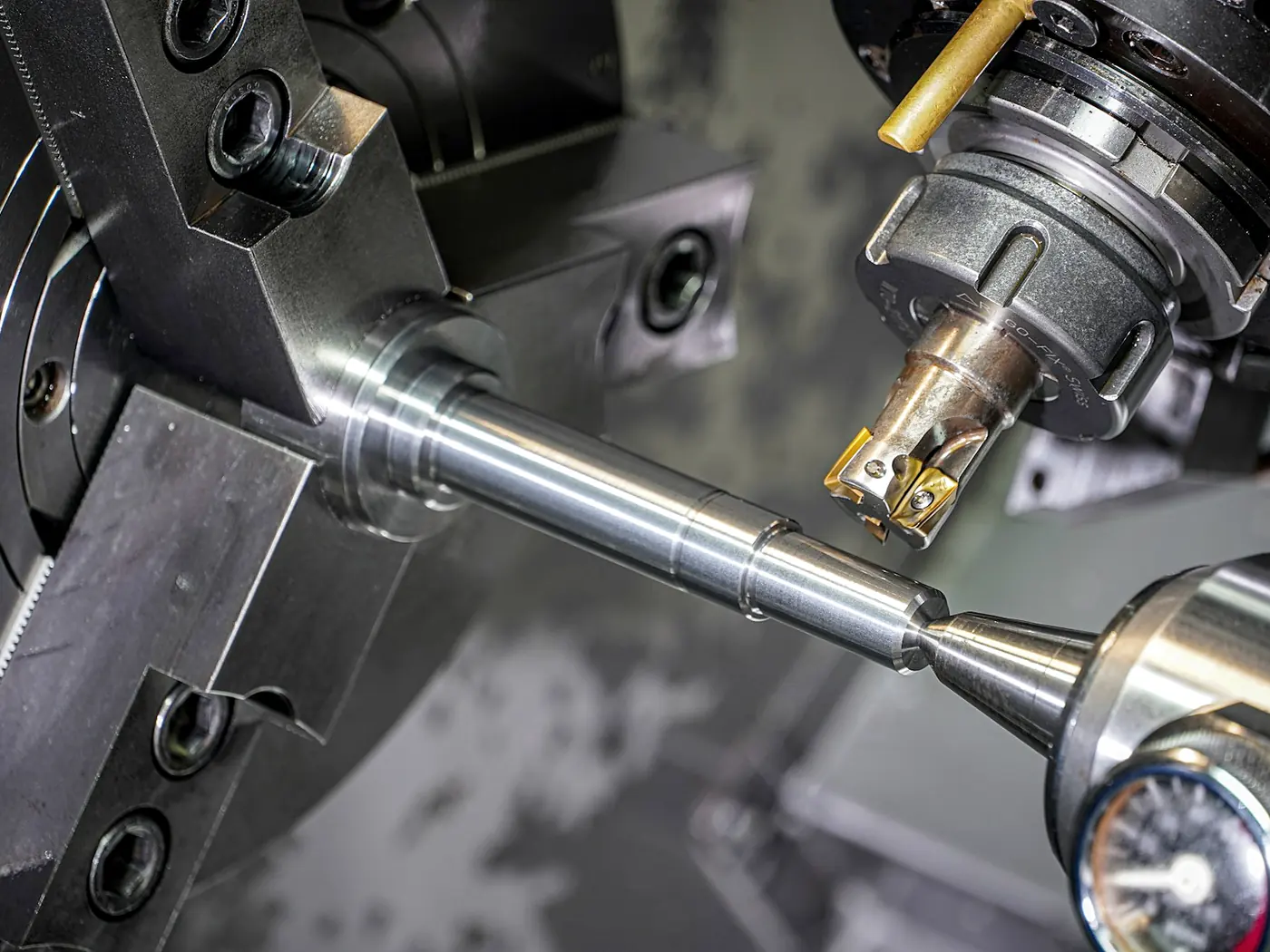
Aluminum welds itself to the cutting edge. A low friction film keeps the flute clear so chips evacuate and the edge stays sharp.
Built-up edge
Aluminum & TitaniumTitanium holds heat at the cut and grabs the tool. Hard, lubricious films spread the load and slow adhesive wear.
Heat and galling
Blade CoatingConventional PVD rounds a cutting edge into a teardrop. The SurfTech process leaves the ground edge geometry intact.
Edge geometry
FirearmsBolts, barrels and internals get a hard, low friction surface with a consistent finish that stands up to cleaning solvents.
Wear and finish
Ductile IronsGraphite nodules make ductile iron abrasive to machine. A hard film holds the edge through longer runs between regrinds.
Abrasive wear
Molds & DiesRelease improves, cycle times tighten, and the mold surface resists the wear that drives rework.
Release and life
Aluminum Alloys
Aluminum welds itself to the cutting edge. A low friction film keeps the flute clear so chips evacuate and the edge stays sharp.
Built-up edge is an adhesion problem, so hardness alone does little for it. The films that work here are the ones with a lubricating phase: aluminum slides off the rake face instead of sticking to it, the flute stays clear, and surface finish holds through the run.
Aluminum & Titanium
Titanium holds heat at the cut and grabs the tool. Hard, lubricious films spread the load and slow adhesive wear.
Titanium conducts heat poorly, so almost all of it stays at the cutting zone, and it has a strong affinity for the tool material. The combination that works is a hard structure to carry the load with a low friction surface to stop the weld from forming.

Blade Coating
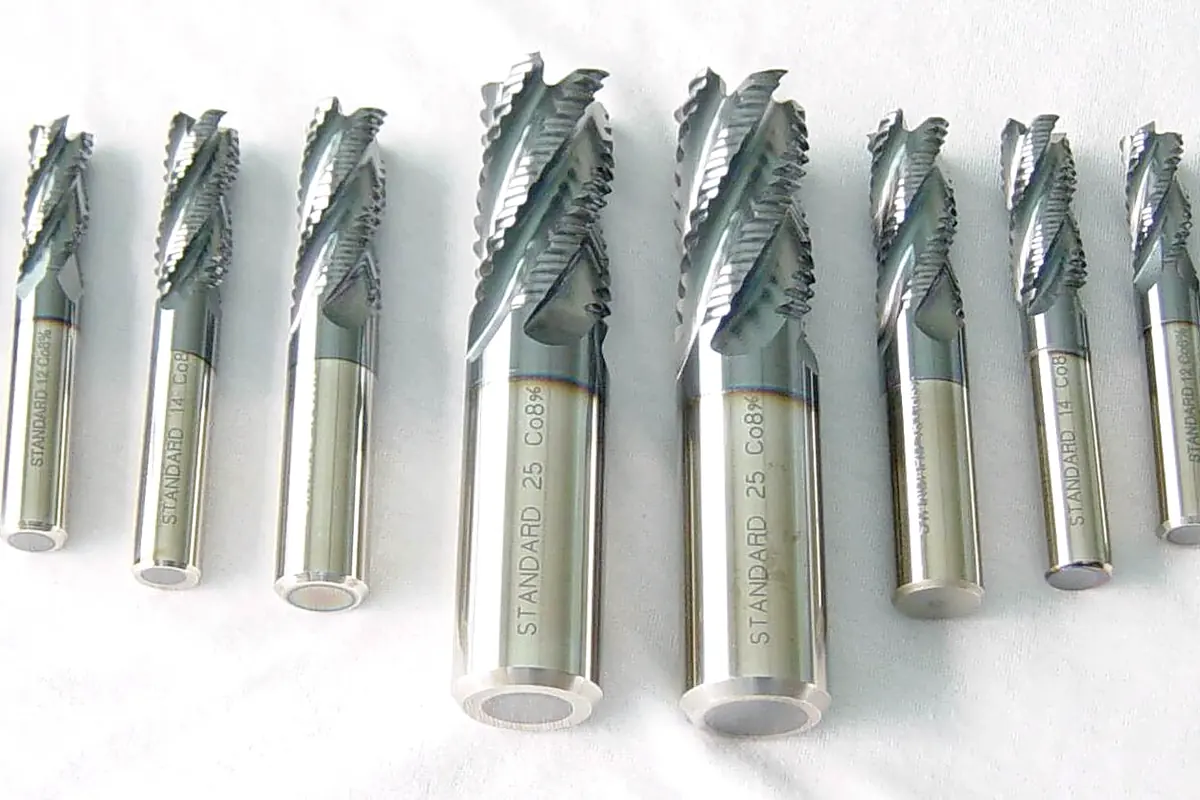
Conventional PVD rounds a cutting edge into a teardrop. The SurfTech process leaves the ground edge geometry intact.
A thick film deposited at high temperature builds up on an edge and rounds it. That is why some blades come back from coating cutting worse than they went in. A thin, conformal, low temperature film adds wear life while leaving the ground geometry intact.
Firearms
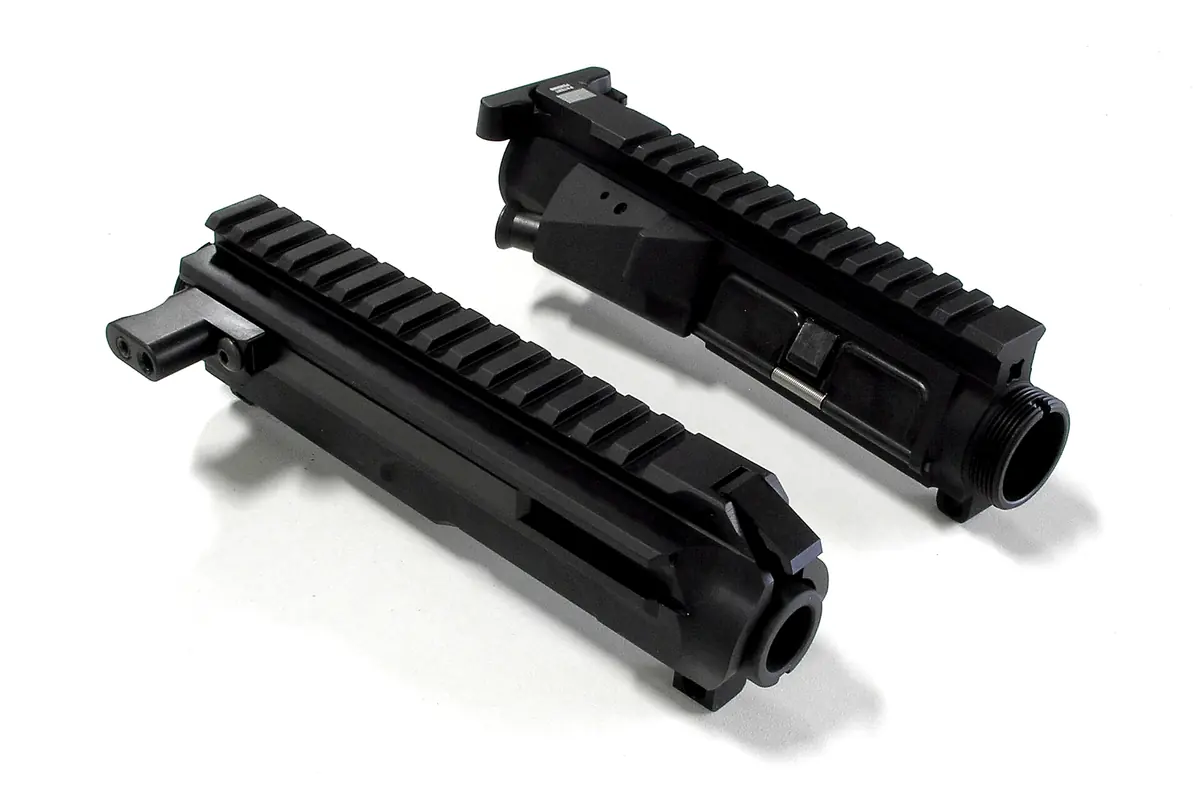
Bolts, barrels and internals get a hard, low friction surface with a consistent finish that stands up to cleaning solvents.
The requirement is a hard surface, a low coefficient of friction on sliding contact, and a finish that survives repeated solvent cleaning. Films are applied below 200 °F, so heat treated components keep their certified properties.
Ductile Irons
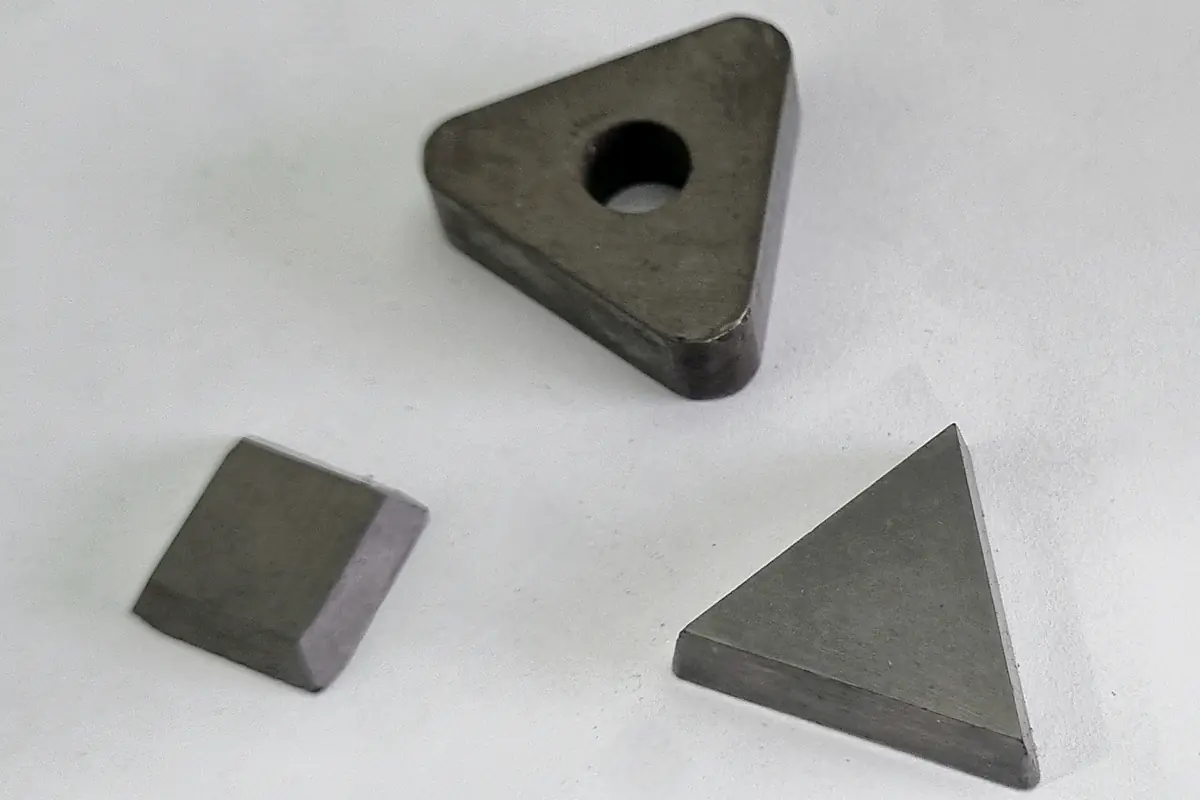
Graphite nodules make ductile iron abrasive to machine. A hard film holds the edge through longer runs between regrinds.
The nodules that give ductile iron its toughness also make it abrasive. This is a straightforward hardness problem, and it is where the boron carbide films are specified: more parts per regrind, and a predictable point at which to pull the tool.
Molds & Dies
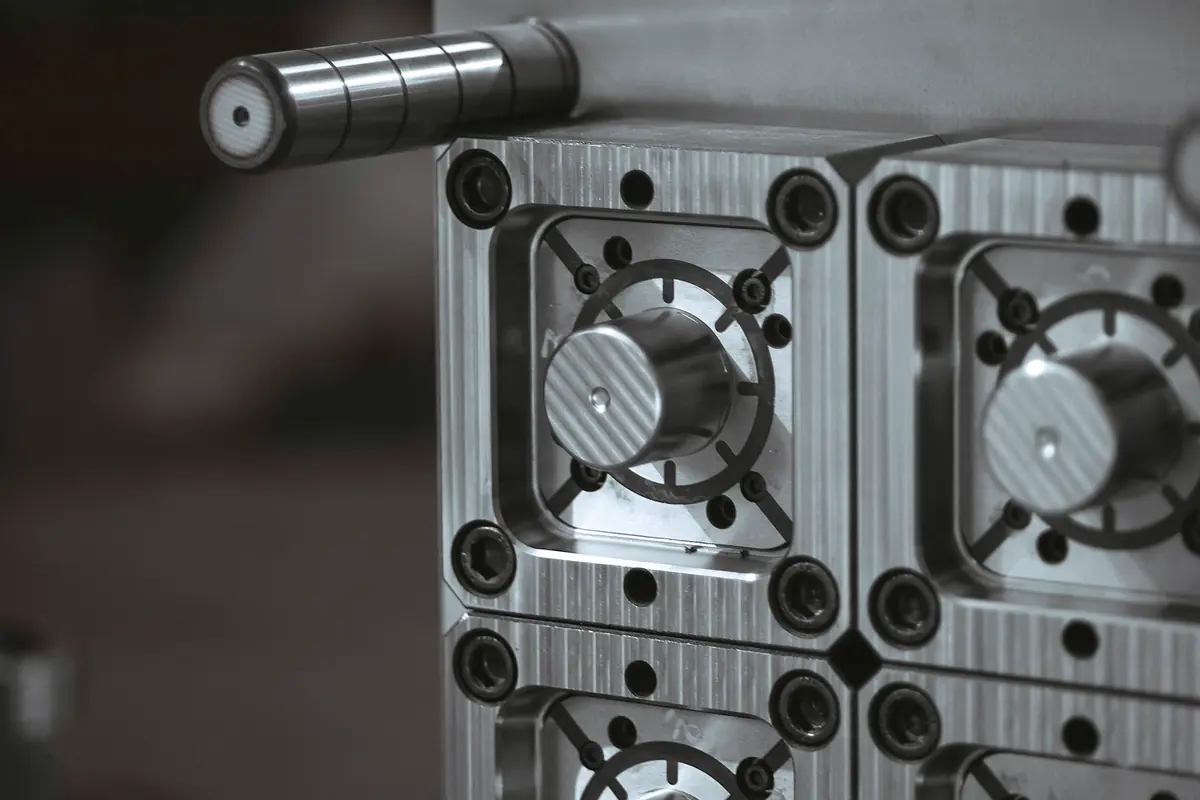
Release improves, cycle times tighten, and the mold surface resists the wear that drives rework.
The coating does two things on the same tool. Release lets the part come off cleanly, which takes time out of the cycle and reduces scrap. Wear resistance keeps the cavity inside tolerance for longer, which pushes back the polish and the rework.
Request a quote
Tell us the substrate, the duty and the way the part fails now. SurfTech comes back with the code, the thickness and the masking.
Call(440) 275-3356
Plant2937 Industrial Park Drive, Austinburg, OH 44010
DrawingsPDF, DXF, DWG, STEP, IGES, STL or ZIP